
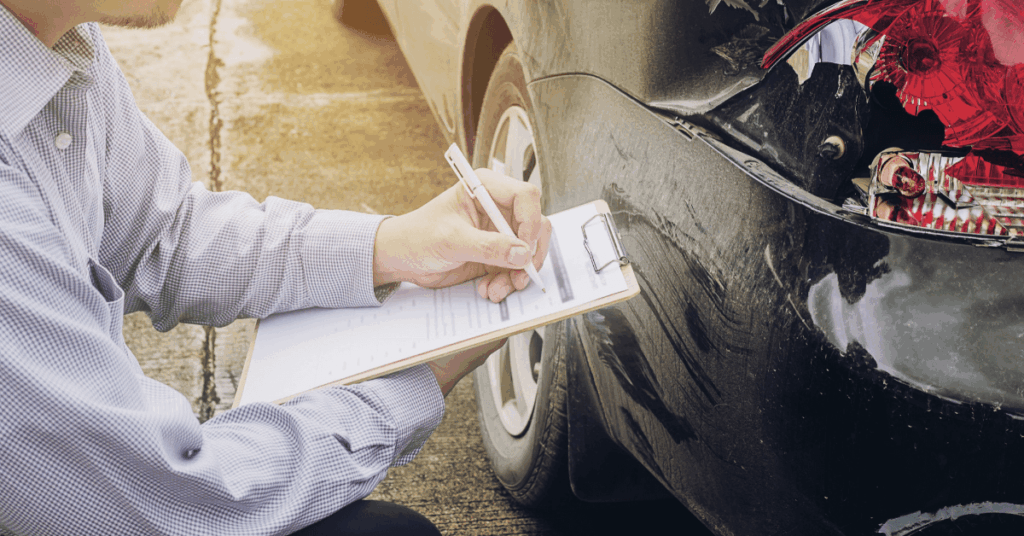
Getting in an accident with a rented vehicle can add an extra layer of complexity to an already stressful situation. You might not know who is responsible for covering your damages or if you’ll be responsible for the rental car’s damage. An experienced Long Beach car accident lawyer from Belal Hamideh Law, P.C. can explain your legal rights during a free consultation. Contact us today to get started.
Common Causes of Rental Car Accidents
Driving a rental car can pose some additional safety risks, including the following:
- Inexperience with the vehicle and how to handle it
- Distracted driving by listening to GPS notifications
- Unfamiliarity with the area
- Fatigued driving due to travel
- Drunk driving after enjoying a night on the town
- More reckless driving since the vehicle does not personally belong to the driver
If you are ever involved in an accident involving a rental vehicle, carefully review the terms of your rental agreement and contact an experienced car accident attorney for legal assistance.
California’s At-Fault Car Insurance Laws
California is an at-fault insurance state for car accidents, meaning that the party found responsible for the accident is responsible for paying for the resulting damages. All California drivers must maintain minimum liability coverage in the following amounts or self-insure:
- $30,000 for injury or death to one person
- $60,000 for injury or death to more than one person
- $15,000 for property damage
Liability insurance covers damages to someone else’s vehicle and person, not your own damages. After an accident, you will likely file a claim with the at-fault driver’s liability insurance provider.
Rental Car Insurance
When you rent a vehicle, you are asked if you would like to purchase additional insurance. Your personal auto insurance policy typically covers your rental vehicle, but additional insurance can be beneficial in certain circumstances. The two types of rental car insurance that most apply in the event of a collision during a rental include:
Collision Damage Waiver
A collision damage waiver is an agreement between you and the rental company that if the rental vehicle is damaged during the rental term, the company will not pursue you for damages. The renter pays a daily fee on top of the regular rental rate for this coverage.
Collision damage waivers work similarly to comprehensive and collision coverage in a full-coverage insurance policy – they cover physical damage to a vehicle after a collision, regardless of fault. This type of policy may also apply if you hit a stationary object, the vehicle is damaged by weather, the vehicle catches fire, or the vehicle is stolen during your rental period. In addition to covering physical damage, a collision damage waiver may also cover the loss of use, which the insurance company might otherwise sue the renter for if they are unable to rent out the vehicle to other drivers due to the damage.
Collision damage waivers do have some exceptions to when they won’t apply, such as:
- The damages occurred while breaking the law.
- The damages occurred while you were drinking and driving or engaging in reckless driving.
- The damages were caused while violating the rental agreement, such as having an unauthorized driver drive the vehicle.
Supplemental Liability Protection
Another type of insurance the rental company may offer is supplemental liability protection. This type of insurance provides additional coverage if you are at fault for an accident in the rental vehicle and the other driver’s damages exceed your personal auto insurance’s liability limits. This insurance provides additional liability coverage to protect you against the other driver’s losses that you may cause while renting the vehicle.
Which Insurance Covers the Accident?
Situations may arise when multiple insurance policies are available to cover the same losses or when priorities exist for specific policies to take precedence over others. General rules may include:
- The at-fault driver’s personal liability insurance is the first source of reimbursement for a car accident victim’s damages.
- The car rental insurance may cover collision damage and other expenses if the at-fault driver purchased this optional coverage.
- The car renter may be covered by rental car insurance provided by their credit card company, which may extend to cover the costs of the victim’s damages and injuries.
- You could have other insurance that covers your damages that you could use, such as collision insurance, MedPay, or health insurance.
These types of auto accident cases can be confusing, and sorting out who is responsible and which insurance coverage applies can be complicated. An experienced attorney can help.
When Is a Rental Car Company Liable for Damages?
In some circumstances, the person who rented a car may injure another and not have enough insurance to cover their damages. In such situations, you may want to investigate if the rental car company is legally responsible for paying for these damages.
Rental car companies can sometimes be responsible for resulting damages, such as if they rented a vehicle to someone with a suspended license. The rental car company has a legal duty to verify the driver’s license before renting out a car and compare the signatures on the license and the rental agreement.
Another example of when a rental company may be responsible for damages is when it knowingly or negligently rents out a vehicle with a defect, and that defect causes damages and injuries. For example, the vehicle may have been subject to a recall and the rental car company failed to have it fixed.
An experienced personal injury attorney can carefully review your claim and determine your legal options for financial recovery.
Car Accidents and Leased Vehicles
If the accident involved a leased vehicle rather than a rental, the process may differ. Carefully review your lease agreement to determine your responsibilities and check with the dealership, too, for further instructions.
Most lease agreements will require you to notify the leasing company within 24 to 48 hours of any accident. Lease agreements typically require you to maintain comprehensive and collision insurance, which can help cover repairs to the vehicle. The lease agreement may require you to take the vehicle to a repair shop approved by the dealership or specified in the lease agreement. If you don’t follow the lease agreement’s exact instructions, you can be charged for the damages or repairs at the end of your lease.
If the vehicle is considered a total loss, you may be responsible for paying the remaining balance owed on your lease unless you have gap coverage. Gap coverage pays the difference between the vehicle’s value and the amount you owe on the lease. You can consider buying out the vehicle after a crash if you’re concerned about the impact at the lease turn-in.
Contact Our Car Accident Lawyers Today
You might be confused about your legal rights and options or concerned about the next steps after an accident involving a rented or leased vehicle. The free consultation lawyers at Belal Hamideh Law, P.C. have handled a wide range of car accident cases. We can discuss your situation, review your insurance, and guide you through the claims process.
Belal Hamideh Law, P.C. has a 99% success rate. Our personal injury law firm in Long Beach has successfully handled thousands of cases. Contact us today for a free case review.
Related: Liability in Autonomous Vehicle Accidents in California