
Viewed as more environmentally friendly and generally safer than gas-powered vehicles, electric vehicles (EVs) are becoming increasingly popular throughout California and the rest of the country. These vehicles are powered by lithium-ion batteries, which pose unique dangers in the event of a car crash. These motor vehicle accidents can result in severe injuries, especially when battery damage occurs.
It’s crucial to recognize the unique risks that these motor vehicles pose, as well as the protections California law provides. At Belal Hamideh Law, P.C., we help car accident victims recover fair compensation after they are harmed due to the negligence of others. Whether you were injured in an electric vehicle you were driving, or the accident involved an electric vehicle someone else was driving, we can discuss your situation during a free consultation. Call us today to get started.
What Factors Make Electric Vehicles More Dangerous?
The physics and technology involved in electric vehicle accidents can make collisions involving these vehicles more dangerous than other types of car accidents due to:
Quiet Operation
EV vehicles operate much more quietly than gas-powered vehicles. This can catch many people off guard, especially pedestrians. Other motorists may not notice them either, leading them to turn into their pathway or merge lanes without seeing them. These concerns have resulted in new regulations requiring EVs to emit artificial sounds to alert others of their presence.
Vehicle Weight
The battery packs equipped in electric vehicles make them heavier than other types of cars, leading to greater impact forces in the event of a crash. The increased weight also affects how the vehicle handles and its braking distance.
Instant Acceleration
EV motors provide instant torque, propelling vehicles from a standstill to high speed in seconds. This factor can increase the likelihood of high-impact collisions and severe injuries.
Battery Fires
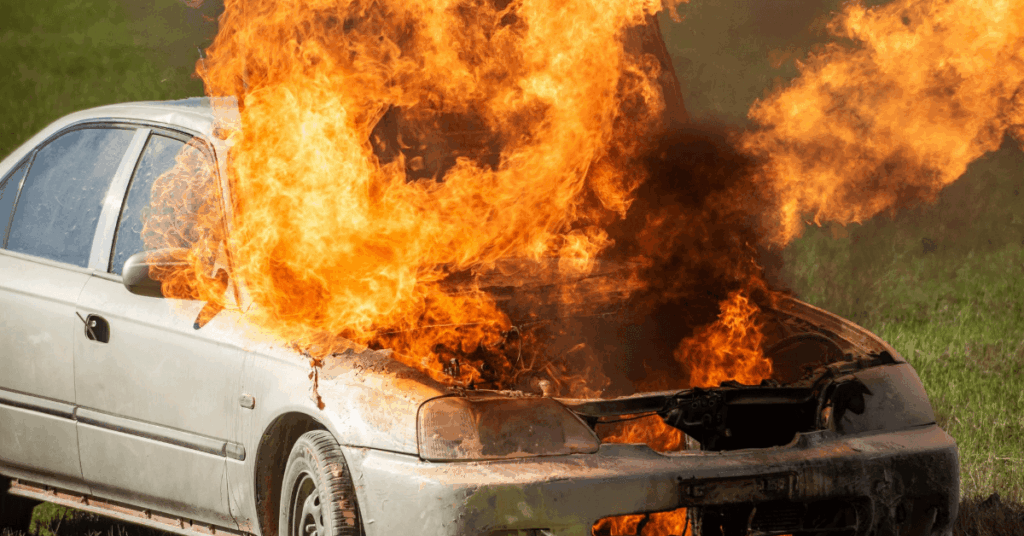
One of the most significant risks of electric vehicles is the potential for EV battery fires. The batteries equipped in electric vehicles are usually lithium-ion, which store a significant amount of energy in a confined space. If the EV battery is damaged or punctured in a crash, a fire can occur due to a phenomenon known as thermal runaway.
Thermal runaway occurs when damaged battery cells heat up uncontrollably, causing other cells to overheat and fail as well. The result is a very hot fire that spreads quickly and can be difficult to extinguish.
Who Is Liable for an Electric Vehicle Accident?
Due to the unique factors described above, multiple parties may be potentially liable in the event of a car crash involving an electric vehicle. Determining who is responsible for such crashes under the law is complex and often requires a thorough investigation. Possible liable parties could include:
- The driver of the electric vehicle: The driver of the EV may be responsible for the accident by speeding, distracted driving, or driver error.
- The other driver: Another driver’s error or negligent driving can be responsible for the crash.
- The vehicle manufacturer: If the vehicle had a defective product, such as a faulty battery management system, that caused the crash or made it worse than it otherwise would have been otherwise, the manufacturer of the EV could be held liable for the crash.
- A part manufacturer: If a specific component in the vehicle, such as battery cells or a sensor, was defective, the part manufacturer may be responsible if this defect contributed to the crash damages.
- A repair shop: If the electric vehicle had recently been taken in for service and the service was performed negligently, contributing to the crash, the repair shop could be held responsible for the accident.
To determine the cause of an EV crash, a thorough analysis is often necessary.
How to Prove Fault for an Electric Vehicle Accident
An experienced attorney can conduct a thorough investigation to determine whether a software developer, another driver, or another party is at fault for the crash. They can review traffic accident reports, interview witnesses, and attempt to obtain footage from traffic cameras.
While electric vehicles can pose certain safety risks, their electronic systems can also contain valuable information that can help determine who is responsible for the accident. These vehicles may contain features, such as:
- Autonomous driving software
- Complex electrical systems
- Event data recorder systems
- Driver-assist systems and assisted driving technology
These tools may record speeds, the application of brakes, and the implementation of fire suppression systems, which can help identify the root cause of the crash. An EV accident attorney can conduct a detailed analysis of the vehicle’s telematics systems, which are much more complicated than those of a standard gasoline-powered vehicle. They may use engineering and accident reconstruction experts to help determine if software glitches, driver error, or some other factor caused the crash.
Common Injuries in Electric Vehicle Accidents
The collision dynamics and the presence of high-voltage lithium-ion batteries can cause catastrophic injuries and permanent disabilities. Some of the serious injuries that accident victims may face include:
- Burn injuries: Due to the fire hazards that high-voltage battery packs pose, burn injuries are one of the most common injuries that EV accident victims can face. More serious burn injuries can cause deep tissue damage and require extensive medical treatment and rehabilitation.
- Respiratory injuries: Battery-powered cars can emit toxic fluoride gas that causes respiratory issues when car accident victims breathe in these noxious gases.
- Traumatic brain injuries: The rapid acceleration and high impact that EV collisions can cause can result in traumatic brain injuries.
- Internal injuries: Due to the extra weight of electric vehicles, car accident victims may get crushed and pinned in these crashes, which can cause internal organ damage and bleeding.
- Spinal cord injuries: Impactful forces can cause spinal cord damage, including partial or complete paralysis.
- Fractures: The extra weight intensifies the force of a collision, which often surpasses the strength of human bones.
If you were injured in an EV accident, you may be entitled to compensation for your accident-related injuries and losses. An experienced lawyer can help you pursue it.
What to Do If You Are Involved in an Accident in an Electric Vehicle?
After an electric vehicle accident, you will still follow many of the same steps as you would if you were involved in an accident involving only gas-powered vehicles. For example, you’ll want to call the police and seek immediate medical attention. However, some extra precautions you should take to protect your health and safety after an electric vehicle accident include:
- Exit the vehicle immediately. Move at least 100 feet away if it is safe to do so.
- Advise others to stay away from the vehicle, too.
- Inform the dispatcher when you call 911 that you are in an electric vehicle. This way, first responders can be prepared in the event of a battery fire.
- Monitor your vehicle closely. A damaged battery can reignite even weeks after an initial crash.
Follow the typical steps you would take after a vehicle accident, such as documenting the accident scene, exchanging information with the other driver, and obtaining the contact information of any witnesses.
Contact Us Today for a Free Consultation About Your Electric Vehicle Accident
The legal team at Belal Hamideh Law, P.C. wants to help you secure justice and fair compensation following an electric vehicle accident. Whether your injuries were due to a product defect or the negligence of another driver, you shouldn’t have to pay the consequences. Our Long Beach car accident lawyers can fight to protect your rights and pursue the compensation you deserve. Contact us today for a free case review.
Related:
- Accidents Involving Rented or Leased Vehicles in California
- Car Accidents Caused by Potholes or Poor Road Maintenance in California
- Liability in Autonomous Vehicle Accidents in California
- Liability for Accidents with Modified Vehicles in California
- Car Accidents Involving Tourists in Long Beach: Cross-State Liability Issues