
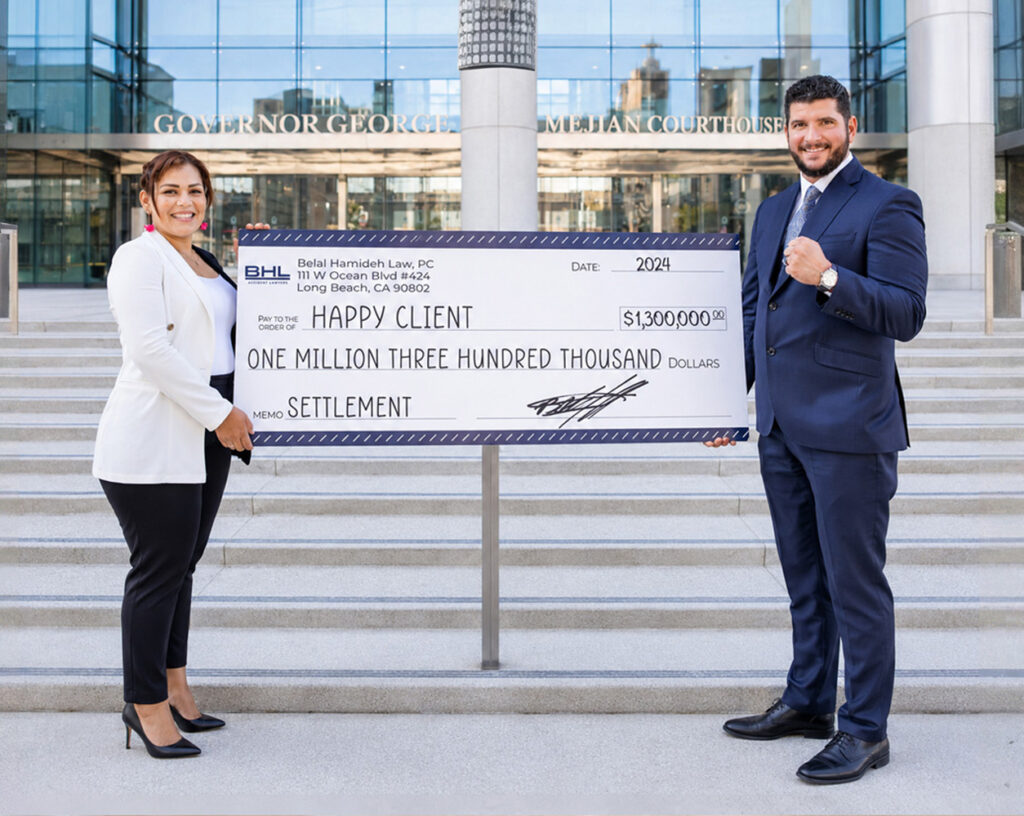
Injured in a longshore accident? Our lawyers fight for the full compensation you deserve – $100M+ recovered, no fee unless we win.
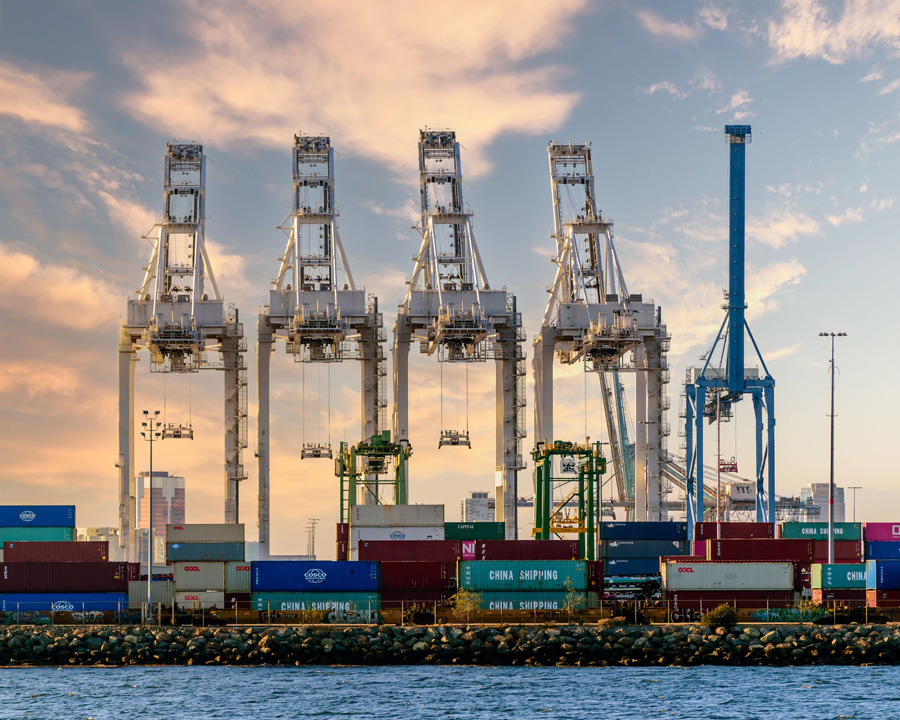
Longshoremen and other harbor workers have a tough job. Every day, they face a barrage of risks just through the natural course of doing their jobs. Even the safest, most conscientious harbor worker could be injured, through no fault of their own. Over the years, we’ve helped so many harbor workers receive workers’ compensation for their injuries. However, an injured longshoreman may be able to file a separate claim, different from workers’ compensation, for their injuries. BHL Accident Lawyers, a Long Beach longshoreman accident firm with experience, can help you through every step of the process.
Longshore work can be arduous and dangerous. With busy and chaotic workplaces, longshoremen are at risk of being injured in various types of accidents while performing their job duties, including:
If you or a loved one was injured in a longshore accident, reach out to our maritime attorney for legal assistance and representation.
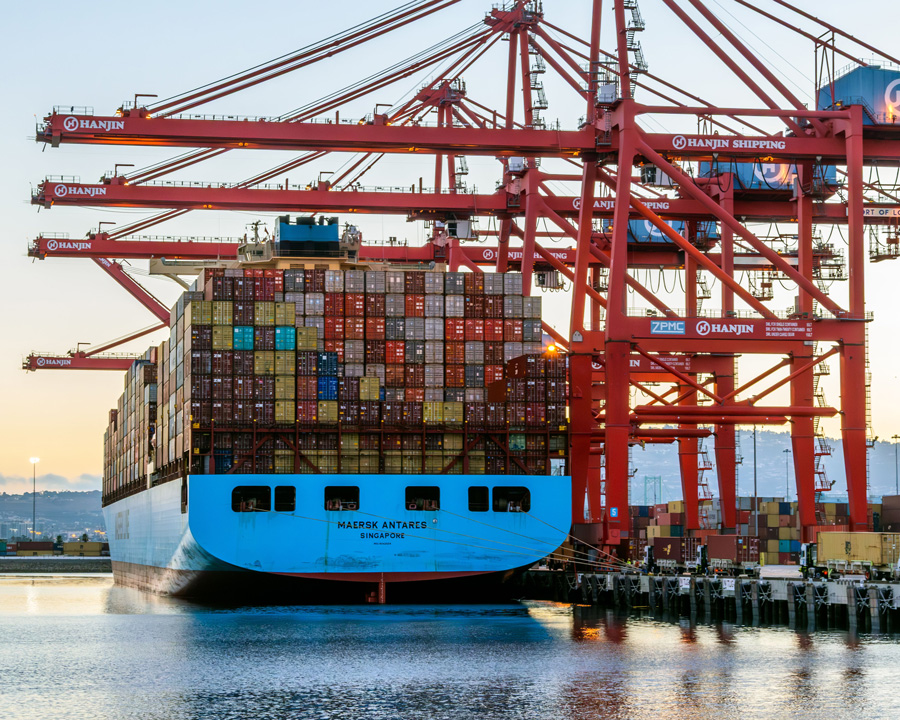

Due to the dangerous environments that longshoremen and other maritime workers contend with, the injuries they suffer tend to be serious. Some of these serious injuries include the following:
BHL Accident Lawyers has represented injured maritime workers in various accident cases. Our legal team can help prepare a compelling narrative about why your claim entitles you to maximum compensation, documenting the severe effect that your work-related injuries have had on your life and your family. We work tirelessly to secure the results that you deserve.
We’ve found over the years that many harbor workers may know about workers’ compensation, but they’re unaware of the other laws that could benefit them specifically. Workers’ compensation, for example, tends to cover the injuries that a worker suffers in the course of doing their job. However, as longshoreman work is especially difficult, there are additional laws that can help them to receive the compensation that they deserve, such as:
The Longshore and Harbor Workers’ Compensation Act (LHWCA) Longshore and Harbor Workers’ Compensation Act can help harbor and maritime workers of many different kinds who have been injured in the course of repairing, unloading, or loading vessels. In these maritime cases, we help harbor workers seek compensation for when they’re injured through the negligence, recklessness, or malice of someone who isn’t a co-worker or their employer. See, the Longshore Compensation Act makes it so that you can’t sue the person who employs you. However, you can sue a third party for damages.
An example of this might be: you go to work loading up a ship. You’re just doing your job, just as well as ever, the same as you would any day. Then, while you’re loading this ship, someone else hits you with a truck. Another example of this might be if you’re working on unloading something from a boat and it causes you to catch an occupational disease or even get infected. These laws exist to help workers like you to seek justice against a third party. We can help you bring a claim against any of the parties involved so you can pursue the compensation that you deserve for your injuries.
The Outer Continental Shelf Lands Act extends Longshoreman and Harbor Workers’ Compensation Act benefits to employees who are injured while working on fixed platforms or artificial islands on the Outer Continental Shelf. This territory is generally used to explore and develop natural resources in the area. This law allows injured maritime workers, such as those working on offshore oil rigs or wind turbines, to recover benefits for medical care, vocational rehabilitation, and wage replacement for injuries that they suffer on the job.
The Nonappropriated Fund Instrumentalities Act of 1952 also extends Longshoreman Act benefits, specifically to civilian employees of United States military nonappropriated fund instrumentalities. It provides no-fault workers’ compensation benefits to morale, welfare, and recreation program employees, commissaries, and exchanges who experience on-the-job injuries.
The Death on the High Seas Act provides survivor benefits to families who have experienced a maritime wrongful death of a loved one due to negligence or unseaworthiness when a death occurs beyond three nautical miles from United States shores. This federal law applies to individuals in the maritime industry and passengers. It limits financial compensation to actual pecuniary losses, excluding pain and suffering and other non-economic damages.
The Merchant Marine Act of 1920, or the Jones Act, allows injured seamen to sue their employers for injuries caused by negligence or unseaworthiness. These injured maritime workers, who are U.S. citizens working on U.S.-flagged vessels, can seek compensation for the full cost of their medical care, lost wages, and pain and suffering.
Because these rules are complex and have various specifications about whom they apply to and when, it is important that you work with a maritime personal injury lawyer who understands these various admiralty and maritime laws.
You might have read the top of this page and thought: “If this is just for longshoremen, then it might not be for me.” But these admiralty laws cover so many more than just longshoremen. For example, these laws also cover ship builders, workers who repair vessels, crane operators, crew members, stevedores, dock workers, terminal workers, offshore oil workers, tug & barge workers, and so many others who have maritime occupations on the waterfront or in the shipyard.
In many of these cases, we end up bringing a claim against those who manufactured the equipment that you use in the course of a day. Cables, forklifts, pulleys, cranes, and manufacturers of other forms of heavy equipment often cause mistakes, which can lead to injuries and worse. If you’ve been hurt while doing your job due to something like this, it actually goes beyond a typical workers’ compensation case.
Various maritime laws apply under different situations, so it can be confusing to know whether you have a viable legal claim or not. These maritime laws may apply to cases involving:
Some of the maritime laws discussed above operate under no-fault systems like workers’ compensation. Others require that you show the defendant was negligent or responsible for a vessel being unseaworthy. A Longshore injury lawyer from our law firm can review your situation and determine if you have a claim.
If you are an injured maritime worker, you may have many questions about maritime lawsuits and how you can recover compensation to cover your accident-related damages and losses. An experienced maritime lawyer from BHL Accident Lawyers can answer these and:
When you have suffered a serious injury on the job as a maritime worker, you
If possible, take these steps to protect your rights after suffering an on-the-job injury as a longshore worker:
While you can contact a maritime lawyer at any time, some indications that you should reach out for legal help include:
Since we work on contingency and charge no upfront fees, you can learn more about your legal options when you contact a free case review.
Yes, being a harbor worker can be a difficult, risky job. But, if you’re hurt while working, you should receive all of the compensation that you deserve. After all, you’re a hard worker. You owe it to yourself as well as the people who depend on you in your life to make sure that you get everything that you can. These injuries can lead to medical bills, rehab, and so much more. You shouldn’t have to hope that insurance can cover it, or worse still, pay for it out of your own pocket. That’s where we come in.
When you contact us, we can sit down with you to determine if you have a case or not. The worst thing that can happen is that we tell you we don’t particularly see a case here. However, the potential upside, getting everything that you deserve for your injuries, is so much greater. We have experienced investigators at our firm who can determine exactly what happened in your incident. That’s just one of the many resources at our disposal, which can make your case all that much more compelling.
At our firm, we’ve been helping longshoremen and harbor workers receive their due compensation for these kinds of cases. If you’re injured at your job through the fault of some third party, or you even believe that there’s a chance that’s the case, we’re always glad to talk. Many times, we’ve had clients come in who believed they qualified for one of these cases but actually qualified for workers’ compensation, and vice versa. You can schedule a free consultation with an experienced Long Beach longshoreman accident attorney through our contact form or by giving us a call.
Our Long Beach personal injury attorneys serve clients across every neighborhood and zip code, including:
Downtown Long Beach, Belmont Shore, Naples, Bixby Knolls, Signal Hill, North Long Beach, California Heights, Wrigley, Park Estates, and East Long Beach.
We also handle cases that originate in Long Beach but involve injuries that occurred on surrounding roadways, the 405, 710, 91, and 605 freeways, as well as Pacific Coast Highway.
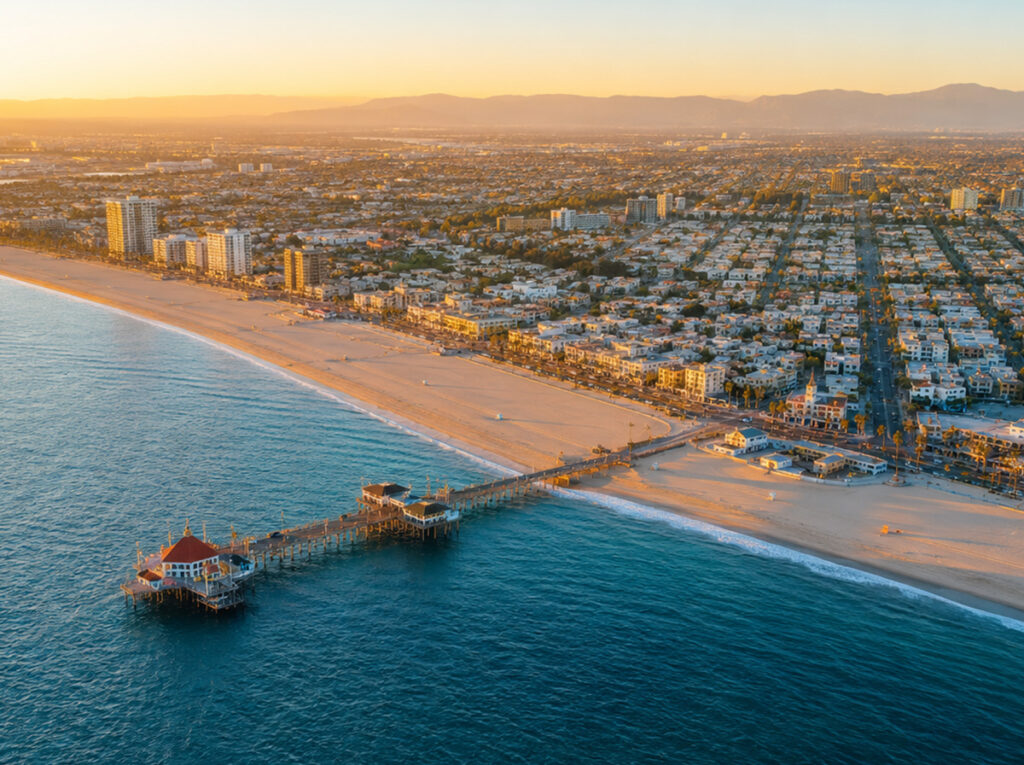

We believe everyone deserves top-tier legal representation. That’s why we work on a pure contingency basis:
We’re right here on Ocean Blvd, in the heart of a city that bills itself as one of the most bike-friendly in the country. We ride these same streets — 2nd Street through Belmont Shore, the beach path, the LA River Trail, the lanes along Broadway and Bellflower — and we know exactly where drivers and cyclists come into conflict, and which insurers fight dirtiest.
Can’t come to us? We make virtual meetings, and if needed home and hospital visits for clients whose injuries keep them from traveling.